Semester project · KTH Stockholm · 2021
Playlist Usability in Focus: Spotify vs. Apple Music
TL;DR Version:
The research question
Which platform offers a more usable experience for playlist creation; Spotify or Apple Music? The study focused specifically on the playlist creation flow; a core user task on both platforms; to evaluate efficiency, error rate, discoverability, and user satisfaction across two widely used music streaming services.
Study design
A within-group design was chosen so that each participant interacted with both platforms; allowing direct comparison of the same user's behaviour and satisfaction across Spotify and Apple Music. The order of platforms was counterbalanced to control for learning effects.
1 Week
December 2021
Mixed
Quantitative (time, errors, SUS) and qualitative (think-aloud)
Student
No research budget · Tight deadline
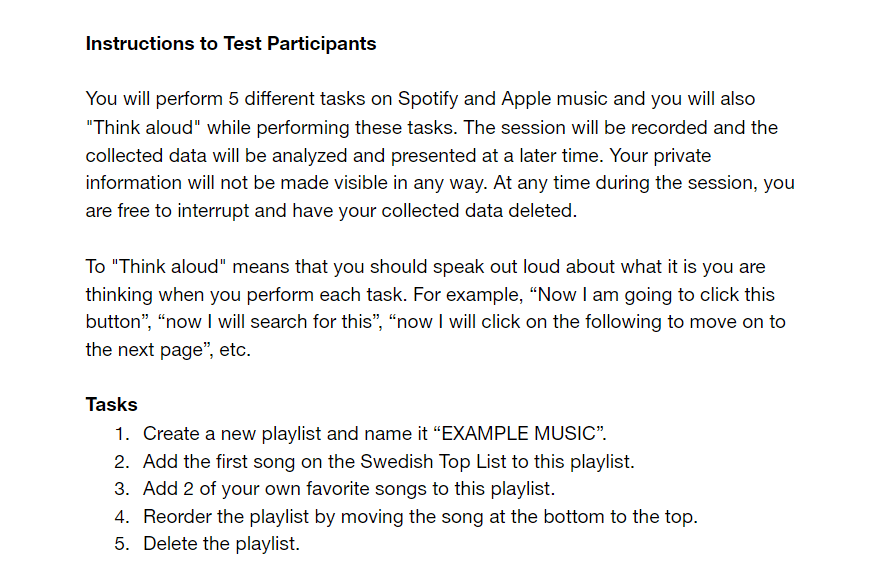
Participant instructions sheet used during usability sessions; defining tasks, think-aloud protocol, and session structure
Pilot testing
A pilot study was conducted before the main sessions to refine the usability test setup; identify potential issues in task execution or data collection methods; and validate the task definitions. The pilot confirmed the task set was appropriate and the session timing was realistic.
Tasks
Participants completed four identical playlist-related tasks on each platform:
Create a new playlist
Add songs to the playlist
Reorder tracks within the playlist
Delete the playlist
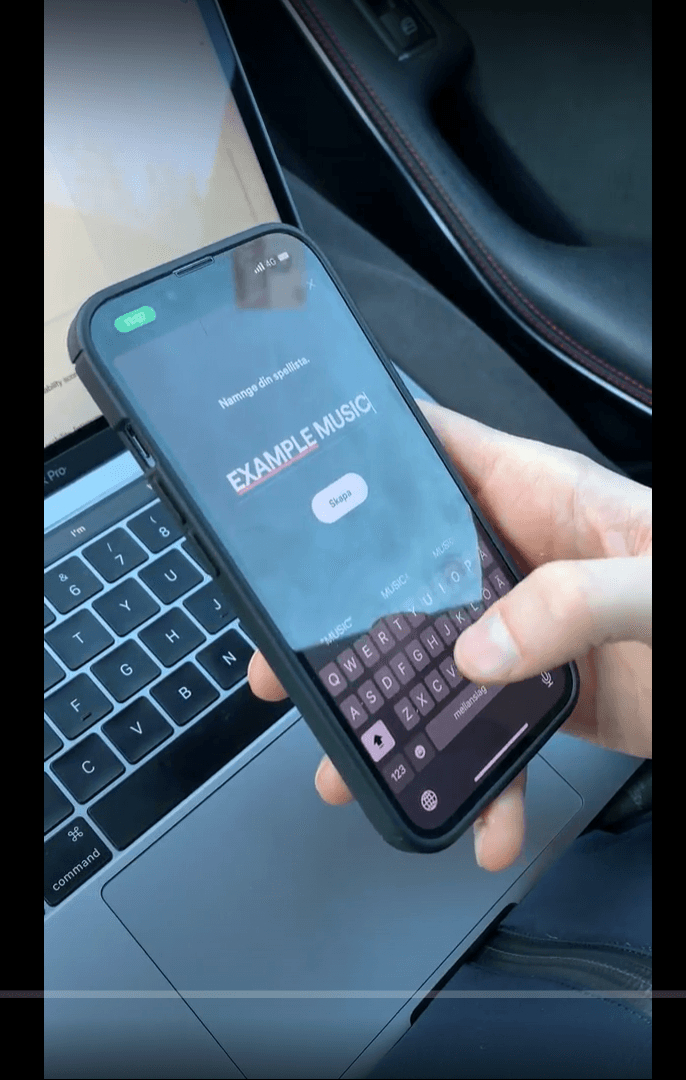
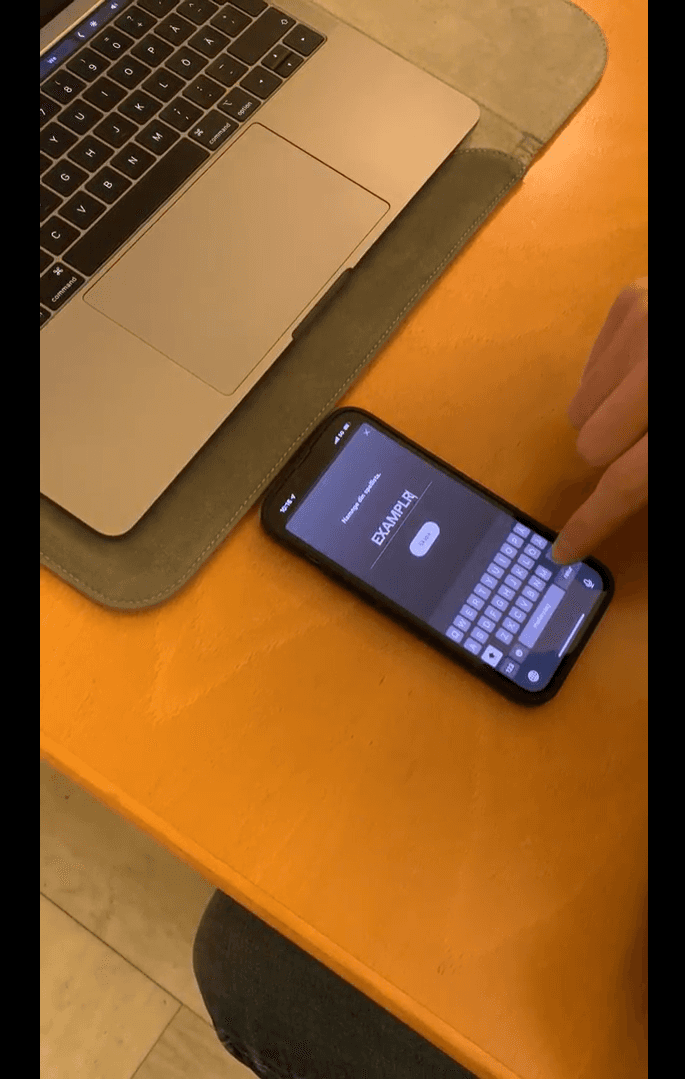
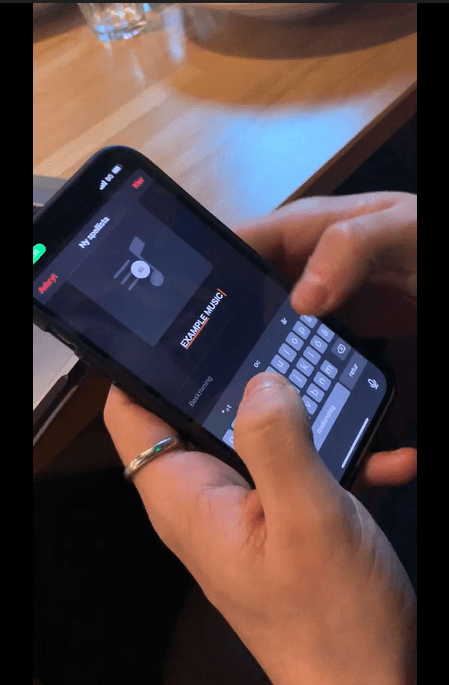
Participants completing playlist tasks on both platforms; sessions recorded with think-aloud protocol
Data analysis
Quantitative data included task completion times, error rates, and SUS scores for each platform. Qualitative data from think-aloud sessions was analysed thematically; surfacing recurring friction points and feature discoverability issues.
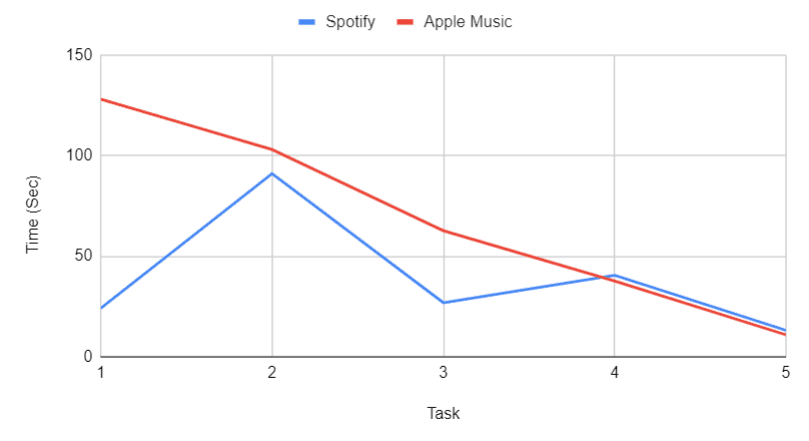
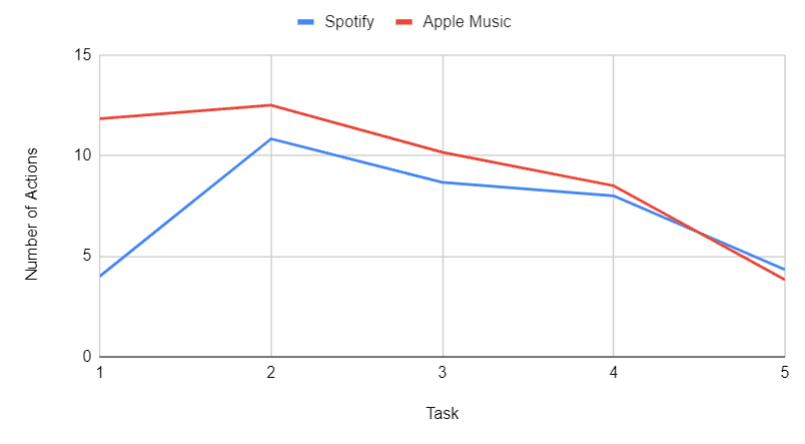
Task completion times and error rates compared across both platforms
Both platforms struggled with the discoverability of native chart top-lists. The study confirmed that small interface differences; a single extra step in a flow, a less obvious affordance; significantly impact perceived usability and satisfaction scores even for experienced users. The output was a structured research report with findings, SUS score comparisons, and recommendations for both platforms.
limitations and what i'd to differently
The within-group design controlled for user variability but introduced potential carry-over effects; even with counterbalancing, participants who used one platform first may have developed strategies that influenced their performance on the second. A larger participant pool would have strengthened the statistical significance of the SUS and completion time data.
The study scope was limited to playlist creation. Expanding to other core tasks; search, discovery, social sharing; would give a more complete picture of comparative usability across both platforms.
The outcome
This was my first structured usability study; conducted during the first semester of my MSc at KTH. It established the foundation for the mixed-methods research skills I applied in my thesis two years later. The discipline of designing a study protocol, running controlled sessions, collecting both qualitative and quantitative data, and synthesising findings into actionable recommendations is the same process; regardless of whether the output is a comparative report or a VR experience evaluation.
role & tools
UX Researcher · Semester project for Evaluation Methods in HCI at KTH Stockholm · Within-group study design · Pilot testing · Think-aloud protocol · Task analysis · SUS questionnaire · Mixed-methods data analysis